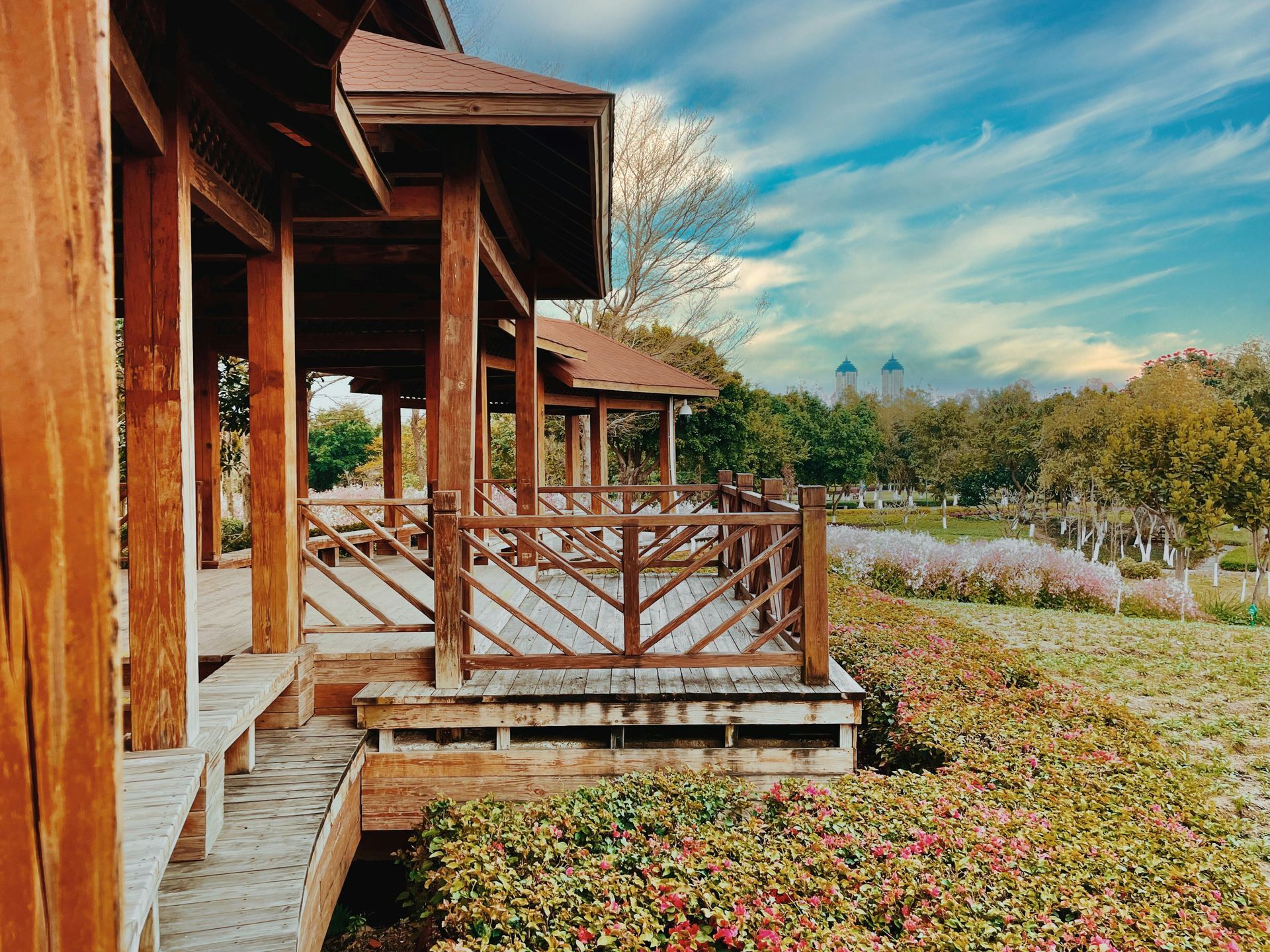
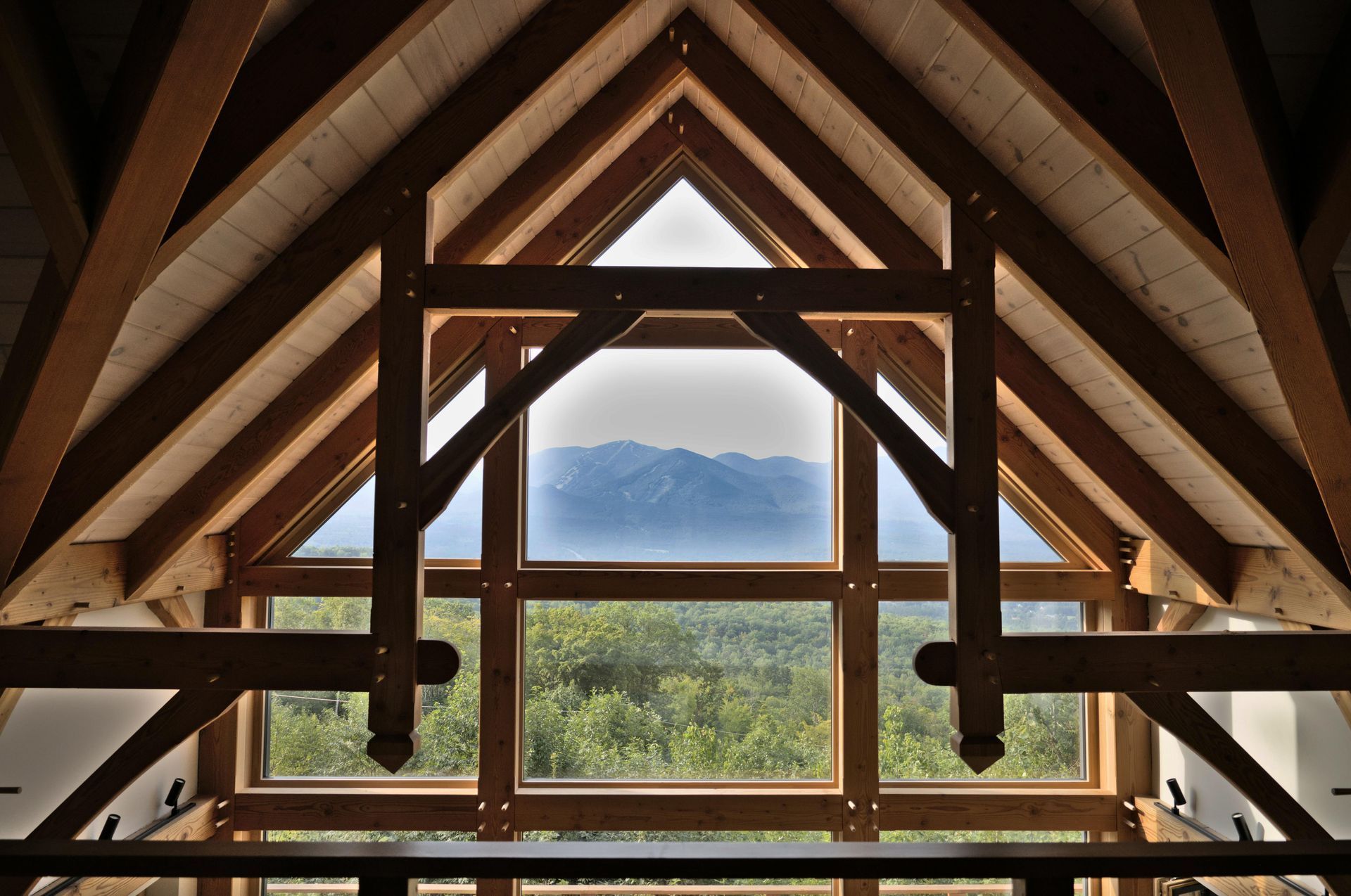
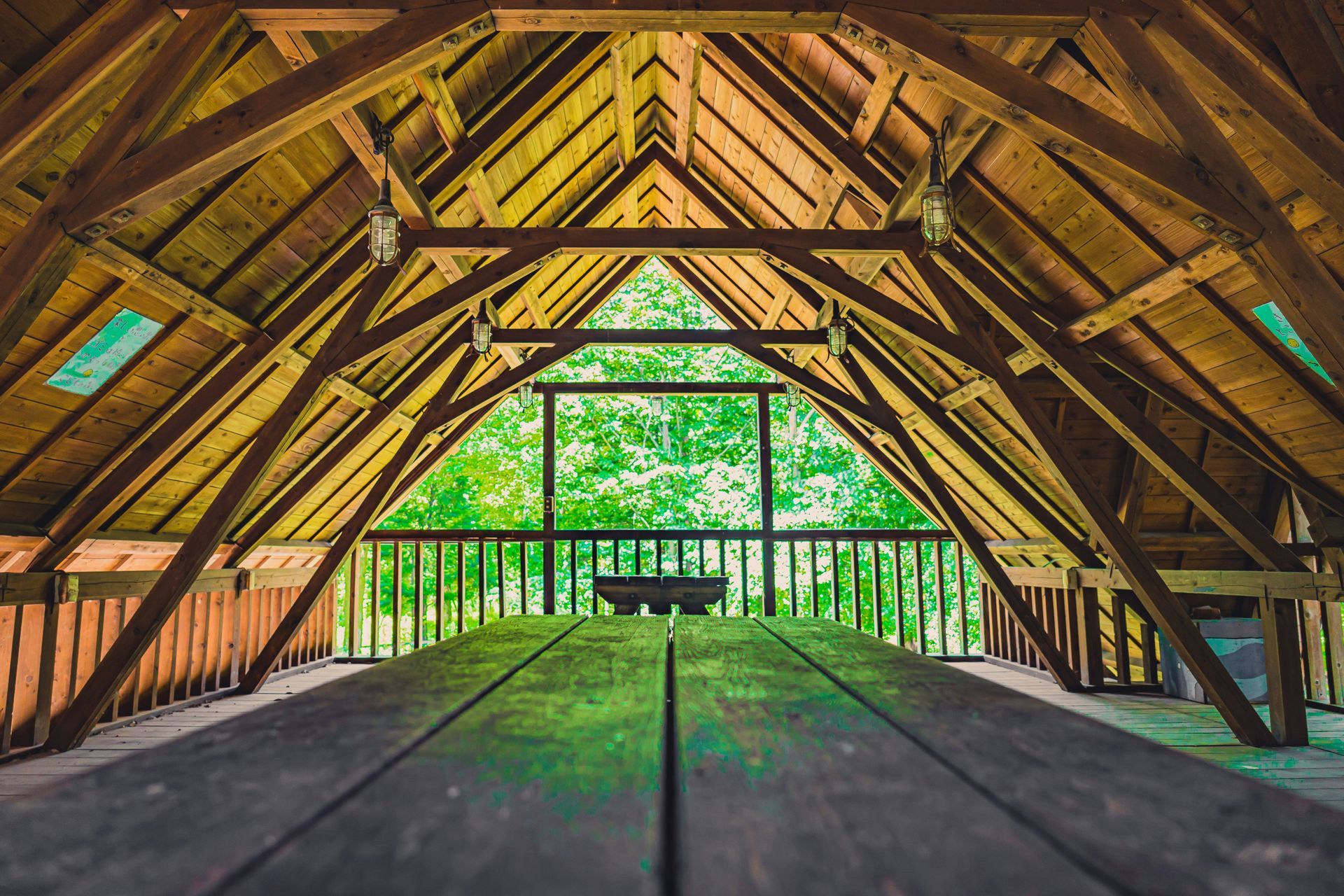
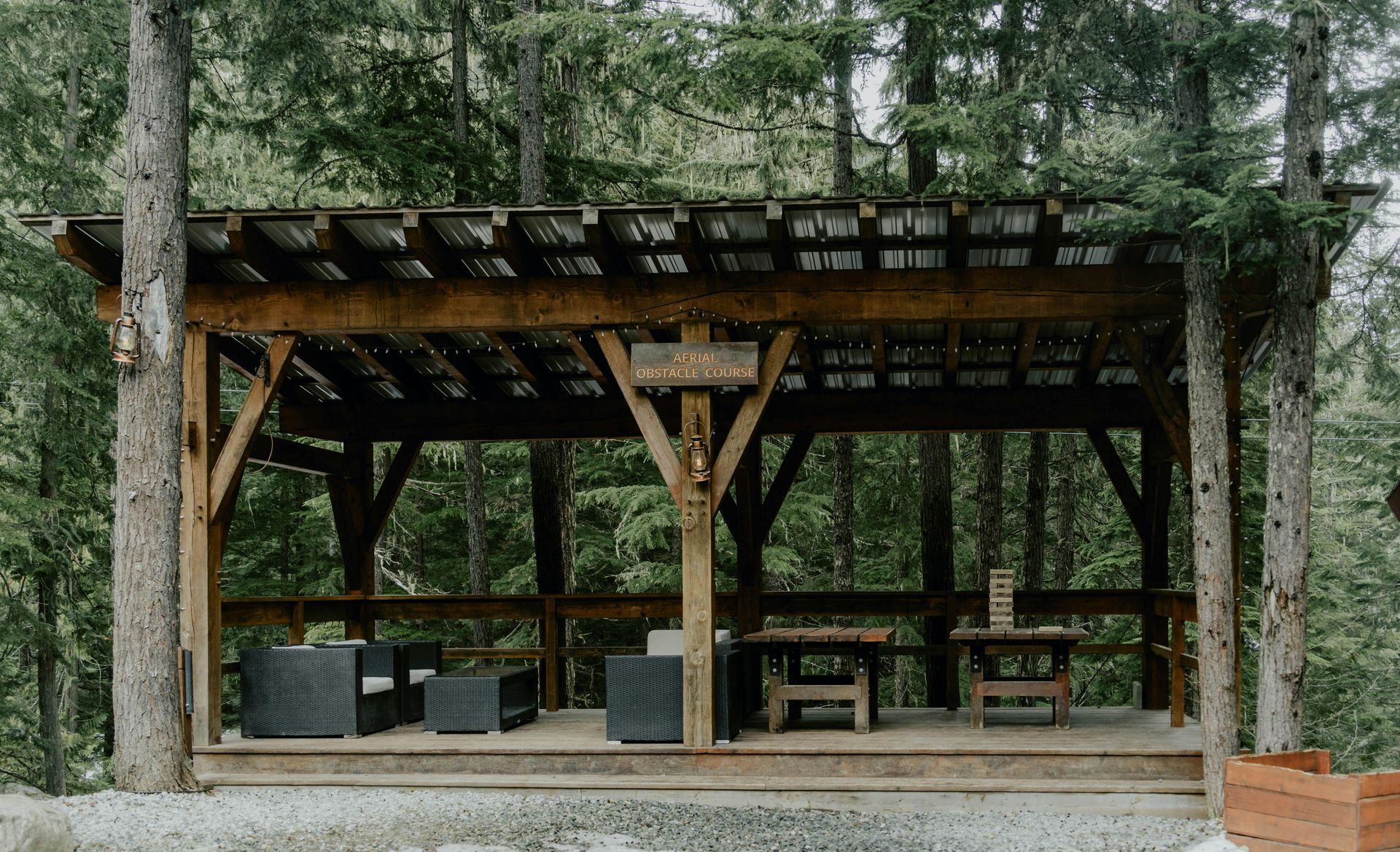
As late-summer heat breaks and cool autumn mornings arrive across the Northern Tier, property owners and contractors begin assessing their outdoor build schedules. The window between early September and the arrival of deep frost in Pennsylvania is one of the most productive times of year for heavy timber framing. Still, it requires strict attention to the calendar. Pouring foundation piers into warm, workable earth is straightforward; setting structural footings into frozen ground introduces engineering compromises, higher labor costs, and seasonal delays.
Central Timber Frame Supply coordinates directly with authorized regional distributors to keep projects moving forward smoothly. Sourcing an authentic timber structure through established regional partners like
Premier Timber Frame Builders in Liberty, Pennsylvania, or
Laurel Run Exteriors gives builders and property owners immediate access to high-grade local materials backed by permit-ready engineering. Securing your pavilion kit early ensures your concrete sets cleanly, your timbers cure in balance with the autumn air, and your outdoor space stands fully framed well before the first snow blanket hits the ground.
1.
The Critical Four to Six Week Groundwork Timeline
A successful heavy timber installation relies on a solid foundation. While our pre-cut timber kits assemble thanks to interlocking mortise-and-tenon joinery quickly, the below-grade concrete work demands deliberate planning.
In regions like Tioga County, Williamsport, and the surrounding Appalachian hills, ground frost can begin penetrating topsoil as early as mid-November. Managing your timeline backward from that frost line creates an orderly installation sequence:
- Site Survey and Code Permitting (Weeks 1 to 2):
Every municipal code office requires structural engineering data, footing depth specifications, and site setbacks before issuing a residential or commercial building permit. Working with local authorized partners gives you immediate access to stamped plan sets tailored to local soil conditions and regional snow loads.
- Excavation and Pier Drilling (Weeks 2 to 3):
Foundation piers must extend below the regional frost depth, which typically ranges from 36 to 48 inches across northern Pennsylvania and upstate New York. Excavating while the ground stays dry and frost-free lets equipment operate without churning wet mud or damaging surrounding turf.
- Pouring and Curing Concrete (Weeks 3 to 4):
Standard concrete requires steady temperatures above 40 degrees Fahrenheit to cure to its rated compressive strength. Pouring into warm ground lets the chemical hydration process lock in properly, eliminating the need for heated curing blankets or antifreeze chemical additives.
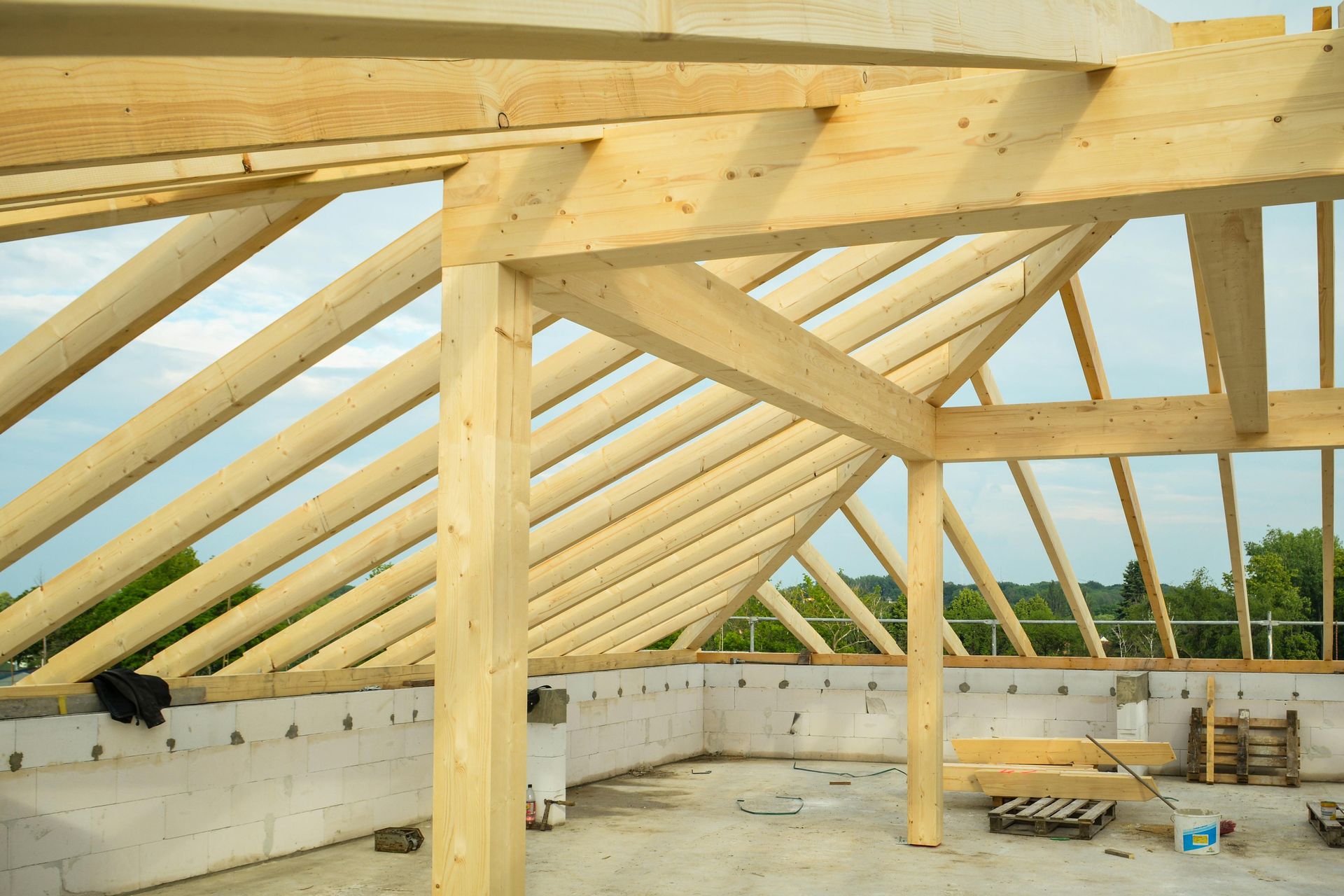
- Kit Delivery and Frame Raising (Weeks 5 to 6): Once the concrete anchors have fully cured, the pre-cut timber package arrives at your job site. Because every post, rafter, and truss arrives numbered, mortised, and tenoned, a skilled crew can stand, peg, and sheath the frame in a matter of days.
Skipping or delaying this workflow risks pushing your concrete pour into late-autumn freezes, which can cause surface spalling, weak post anchorage, or an interrupted build schedule that stalls until the spring thaw.
2.
Why Pennsylvania Hemlock Thrives in Autumn Construction
The choice of timber species plays an essential role in how cleanly a frame settles onto its foundation. Central Timber Frame Supply constructs its pavilion kits from slow-grown Pennsylvania hemlock, a dense wood species sustainably harvested from regional Appalachian forests.
Hemlock has served as the backbone of traditional American agricultural and residential framing for centuries because of its unique fiber density and structural performance. When erected during the moderate humidity and cooling temperatures of autumn, rough-sawn hemlock offers distinct environmental advantages:
- Balanced Seasonal Moisture Loss: Sawn timber naturally holds moisture within its cell walls. Raising a frame during the mild, temperate conditions of September and October allows the wood to season gradually. This steady, moderate evaporation minimizes the rapid surface tension that causes checking, twisting, or warping during hot summer installations.
- Exceptional Fiber Strength: Our rough-sawn beams are graded as structural timber, providing the high modulus of rupture and elasticity required to handle heavy northeast snow and wind loads.
- Natural Weathering Capabilities:
If left unstained, hemlock weathers gracefully through the winter, slowly developing a uniform, silken silver patina as it locks into its permanent structural position. For clients preferring a finished look, hemlock’s open grain cell structure absorbs exterior architectural stains deeply, sealing the fibers against freezing winter moisture.
3.
Traditional Amish Joinery Meets Modern Site Logistics
Beyond the natural durability of rough-sawn hemlock, every Central Timber Frame Supply kit's structural performance rests on traditional wood-to-wood joinery. Modern pole barns and mass-produced light kits rely on thin steel plates, carriage bolts, and surface screws that pull apart over time as timber moves.
Our pavilions use authentic mortise-and-tenon connections secured with solid hardwood dowels. Because the wood fibers interlock naturally, the entire frame acts as an organic system that flexes, expands, and contracts in perfect harmony with seasonal temperature fluctuations. The roof's vertical weight transfers directly down through massive 6x6 or 8x8 posts, keeping the structure plumb and immovable.
Securing this craftsmanship through regional yards like Premier Timber Frame Builders or Laurel Run Exteriors keeps local building projects efficient. Local distributors provide direct site delivery, verify site access for offloading, and supply contractors with accurate shipping calculations based on our transparent logistics model.
Take Action Before the Ground Freezes
Do not let cold weather push your backyard or commercial project into next year. By taking action in early autumn, you can complete all excavation and concrete work. At the same time, conditions are ideal for receiving your pre-engineered hemlock package and enjoying a finished heavy timber pavilion throughout the winter months.
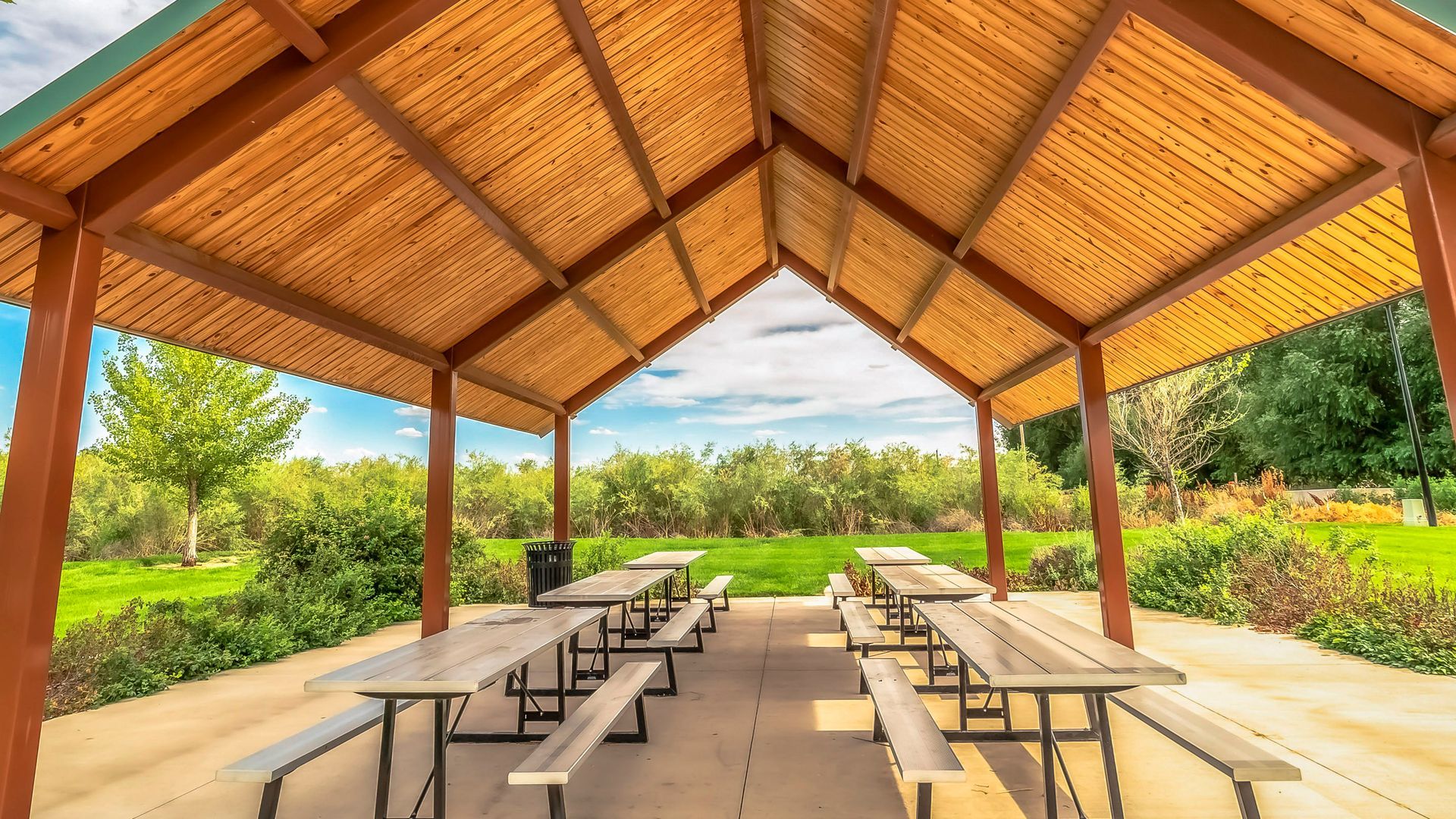
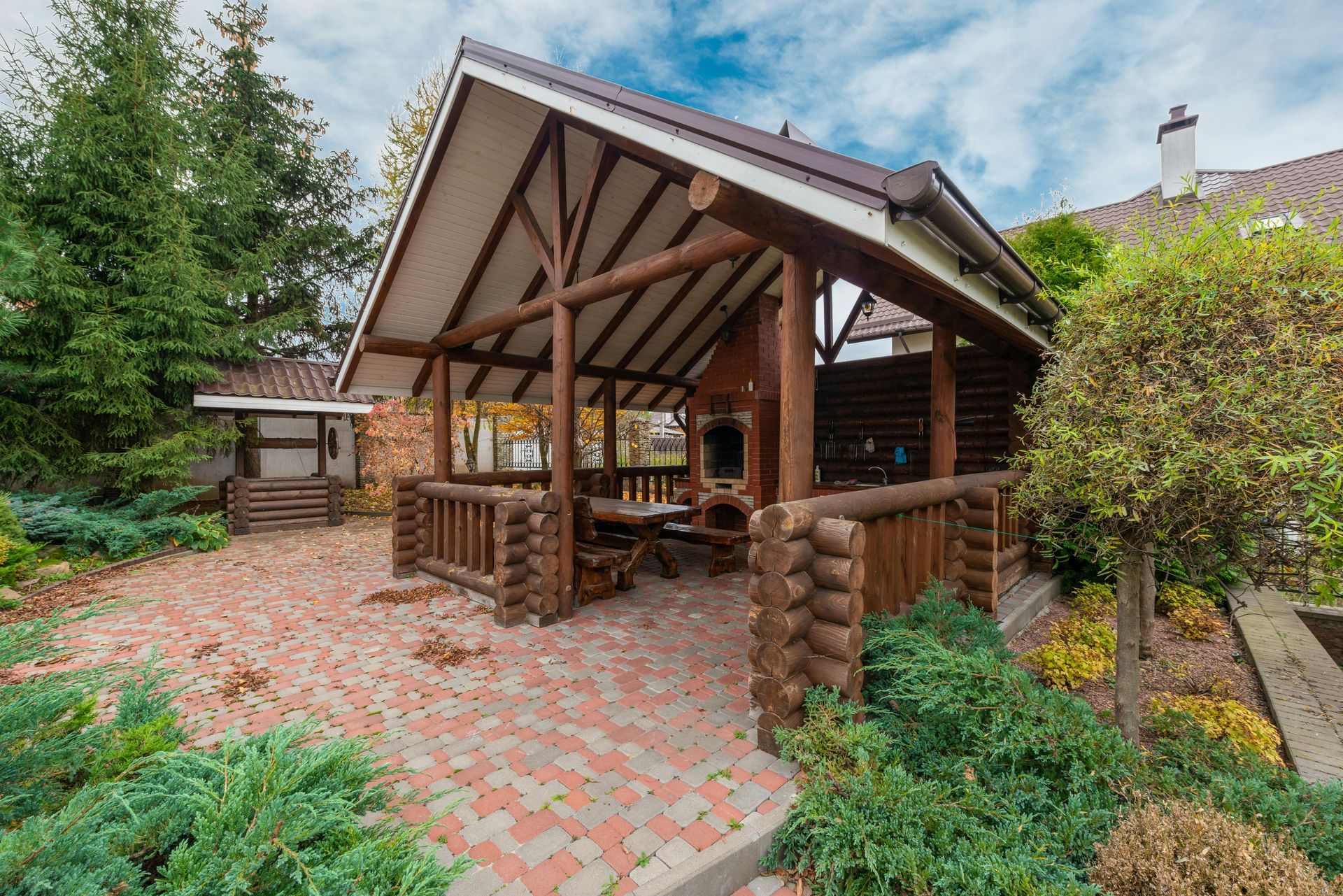
Whether you are designing a classic A-Frame, an artistic Curved King, or a cathedral-peaked Arch Hammer, our authorized regional network is ready to help you finalize your layout, review foundation specifications, and schedule delivery
Ready to start your autumn build?
Contact Central Timber Frame Supply today to request technical drawings, get an accurate shipping quote, and connect directly with an authorized dealer near you.